Designing Modern Homes Through Thoughtful Architecture in the Bay Area
A Vision for Living Spaces That Evolve With Life
A quiet neighborhood renovation once transformed a modest house into a modern, light-filled residence that perfectly reflected its owner’s lifestyle. Stories like this highlight how architecture influences the way people live, work, and connect within their homes. In the Bay Area, where housing space and design innovation intersect, thoughtful architectural planning has become increasingly valuable. During conversations about creative residential design, Dwelling Lab architechtual firm bay area often appears in discussions about professionals who focus on blending functionality, sustainability, and aesthetics to create homes suited for modern living.
The Role of Architecture in Shaping Modern Homes
Architecture plays a vital role in determining how homes function in everyday life. Careful planning can improve natural lighting, enhance energy efficiency, and create flexible spaces that support changing family needs. In many discussions about residential design services, Dwelling Lab architechtual firm bay area becomes part of the conversation as homeowners explore architectural teams known for innovative design thinking. Thoughtful architectural strategies can transform limited spaces into comfortable living environments while maintaining harmony with surrounding neighborhoods and landscapes.
Balancing Innovation With Practical Living Needs
Modern architectural projects often focus on balancing visual appeal with everyday functionality. Homeowners frequently look for designs that incorporate open floor plans, energy-efficient materials, and natural lighting. These features help create environments that support comfort while reducing environmental impact. Architects often consider how people move through spaces, how rooms connect, and how design choices influence mood and productivity. This holistic approach allows architectural plans to address both practical concerns and aesthetic preferences, ensuring that homes remain adaptable as lifestyles evolve over time.
Expanding Living Spaces Through Home Additions
As families grow or lifestyles change, many homeowners consider expanding their existing homes rather than relocating. Home additions can introduce new bedrooms, offices, or entertainment spaces without sacrificing the character of the original structure. During discussions about expansion projects, Dwelling Lab home additions architechs bay area often appears in conversations about architectural specialists who focus on integrating new spaces seamlessly with existing designs. Careful planning ensures that additions enhance both functionality and architectural harmony within the overall structure.
Design Challenges Unique to the Bay Area
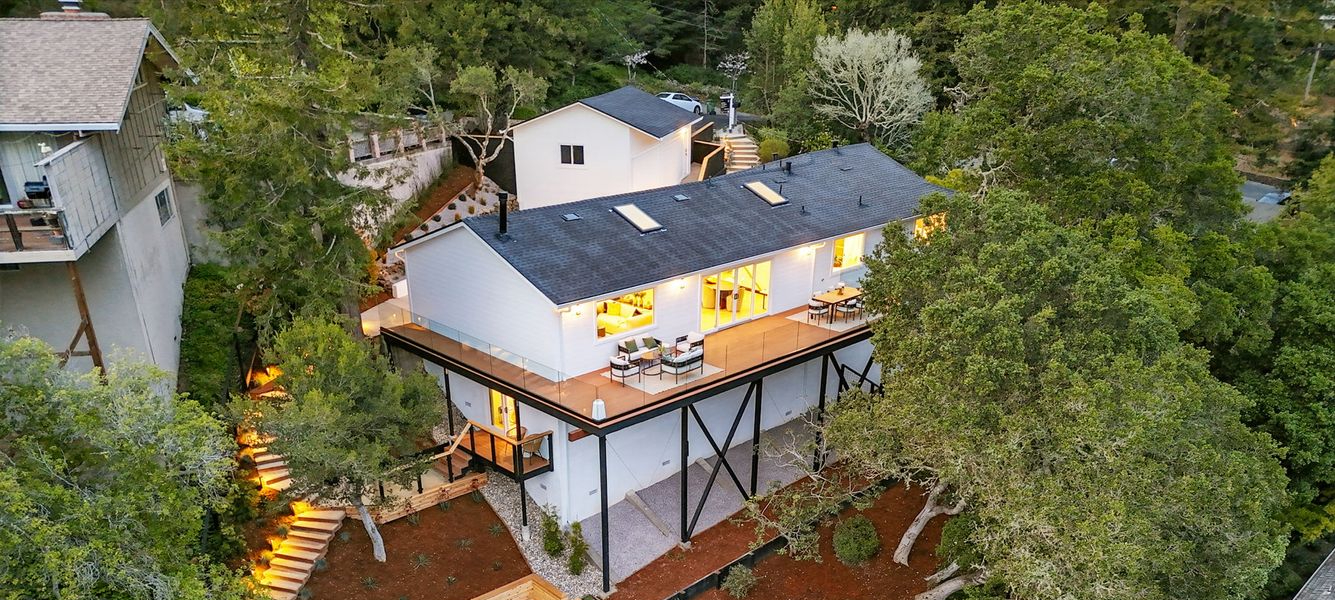
The Bay Area presents unique architectural challenges, including limited property sizes, strict zoning regulations, and varied terrain. Architects must navigate these constraints while still delivering creative and efficient design solutions. In conversations about overcoming these challenges, Dwelling Lab home additions architechs bay area frequently becomes part of the dialogue as homeowners seek professionals experienced in designing expansions within complex regulatory environments. Successful architectural projects often involve creative problem-solving that balances regulatory requirements with homeowner aspirations and practical construction considerations.
Sustainability and Environmental Awareness in Architecture
Sustainable design has become a key priority in modern architecture. Energy-efficient materials, solar integration, water conservation systems, and improved insulation all contribute to environmentally responsible homes. Architects increasingly incorporate passive design strategies that maximize natural light and ventilation while reducing reliance on artificial energy sources. These environmentally conscious decisions not only support sustainability but also help homeowners reduce long-term operational costs. Thoughtful architectural planning therefore plays a central role in creating homes that support both environmental responsibility and comfortable living conditions.
The Importance of Collaboration in Architectural Projects
Architectural design rarely occurs in isolation. Successful projects often involve collaboration between architects, engineers, builders, and homeowners. Clear communication throughout the planning and construction process helps ensure that design ideas are accurately translated into physical structures. Architects often work closely with clients to understand personal preferences, functional requirements, and budget considerations. This collaborative process allows designs to evolve thoughtfully while maintaining a clear vision that reflects both the homeowner’s goals and the architectural integrity of the project.
Conclusion: Building Homes That Reflect Modern Lifestyles
Residential architecture continues to evolve as homeowners seek spaces that support comfort, creativity, and sustainability. Through thoughtful planning and collaborative design, architectural projects can transform existing homes into environments that adapt to changing needs while maintaining visual harmony. Expansions, renovations, and new constructions all benefit from careful architectural insight and attention to detail. Individuals interested in learning more about residential design approaches often explore resources such as while researching architectural services and innovative home design solutions.


Comments
Post a Comment